Why warm-ups matter on meet day
Arriving for warm-ups is not the dull part of the meet; it is where the meet is often won or lost.
October 20, 2026 · 4 min read
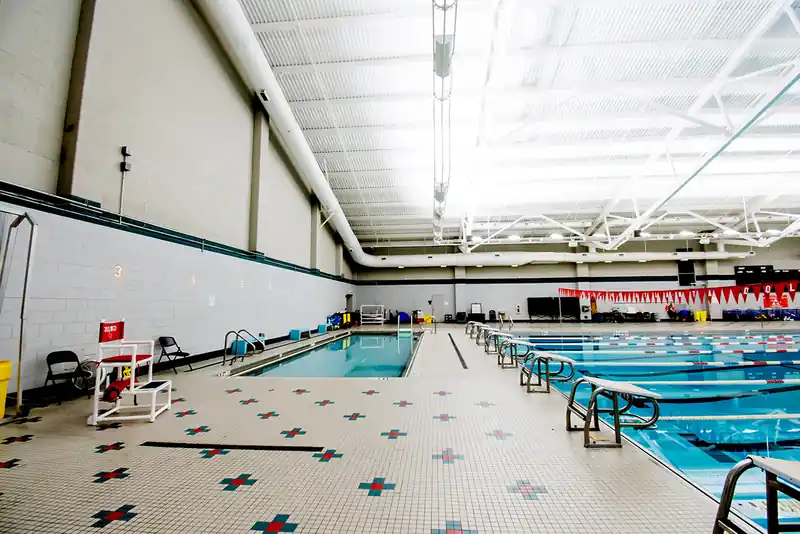
Every swim parent has watched it happen. The family rolls in just before the first event, the child dives in cold, and the race feels like a bad start to a long day. The City of Atlanta Dolphins coaching staff addresses this directly in a guide called The Importance of Swim Meet Warm-ups, and it gives three reasons: team unity, physical preparation and mental preparation. Each one matters more than parents tend to expect.
The physical reason
Cold muscles and a resting heart rate are a poor starting point for a race. A good warm-up brings the heart rate up gradually, warms the muscles and loosens the shoulders, hips and ankles that swimming leans on. It also gives the swimmer a feel for the water in a pool they may never have swum in. Every pool is different: the depth, the temperature, the distance from the block to the first flags. A swimmer who has already felt the water is a swimmer who is not surprised by it.
Warm-ups are also the swimmer's chance to rehearse. A few starts off the block, a turn or two at each wall, some easy swimming and a few faster efforts all prepare the body for the specific job ahead. Coaches usually plan a sequence for this, and following it matters more than doing extra. A warm-up is meant to prepare the swimmer, not wear them out.
The mental reason
The second reason is quieter. A meet is loud, crowded and full of new faces, and for a young swimmer, the sheer volume can be the hardest part. Warm-ups are a routine in the middle of the chaos. The same sequence in the same order tells a nervous child that this is just another practice, only with more people watching.
Routines are one of the oldest tools in sport. A swimmer who has a pre-race habit, whether it is a stretch, a splash of water on the face or a few deep breaths behind the block, has something to do with their nerves other than worry. Warm-up is where those habits get built, which is why coaches protect it.
The team reason
The third reason is the one that is easy to overlook. When the whole squad is on deck at the same time, wearing the same colors, swimming the same warm-up, the team becomes a real thing. Teammates see each other. Older swimmers say a word to younger ones. Nobody is alone with their nerves. The Dolphins describe the team as one built intentionally, where coaches and swimmers make deliberate choices about its success, and warm-up is where those choices are visible first.
A child who arrives after the team has finished warming up misses more than the swimming. They miss the moment the group becomes a group. That is a good reason to treat the arrival time as part of the meet.
What parents can do
Your part in warm-ups is mostly logistics, and it is a bigger part than it sounds. Check the arrival time the coaches give you, and then plan to be there a bit before it. Leave extra time for Atlanta traffic and for parking. Have the bag packed the night before. Feed your swimmer something light at home. Then give your child space to walk onto the deck and join the team without a long goodbye.
- Arrive at the time the coaches give you, not at the time the first event starts
- Pack the night before so there is no search for goggles at the door
- Keep the pre-meet conversation short and calm
- Let the swimmer find their teammates and the coach on their own
- Save your questions and your instructions for after the meet
Where the timers come in
The Dolphins host four meets a year, two short course and two long course, and a meet cannot run without volunteers. According to the team's Role of the Parents page, timers are the most needed. If you are already at the pool for warm-ups, you are already close to the place where the team needs you. Ask a coach or a meet official how to sign up. Timing is a good job for a first-year parent, since you will understand the meet far better after an hour behind a lane than after a morning in the stands.
Volunteering also means you get a close-up of the thing you are paying for. You hear the starter, see the touch pads, and watch other people's children swim as hard as yours do. It tends to make you a calmer parent.
Warm-down matters too
The coaching staff has also written a guide titled Warm-up and Cool Down, which makes the same case from the other side. The swimmer who has finished a hard race is not done. Easy swimming afterward helps them settle, and it gives them time with their teammates and coaches before the next event. Do not let a swimmer jump straight from the water into a towel and a phone.
To see what a meet day looks like from the team's side, read the Meet Information page, and check the Information page for the coaching staff's guides on warm-ups and the role of parents.
City of Atlanta Dolphins Swim Team, (404) 505-3189
Call (404) 505-3189More articles
Your child's first swim meet: heat sheets, Sharpie grids and the bullpen
The first meet is mostly logistics, and a little preparation turns a nervous morning into a good one.
What happens at a Dolphins stroke evaluation
The evaluation is the front door to the team, and knowing what to expect makes it a calm half hour for everyone.